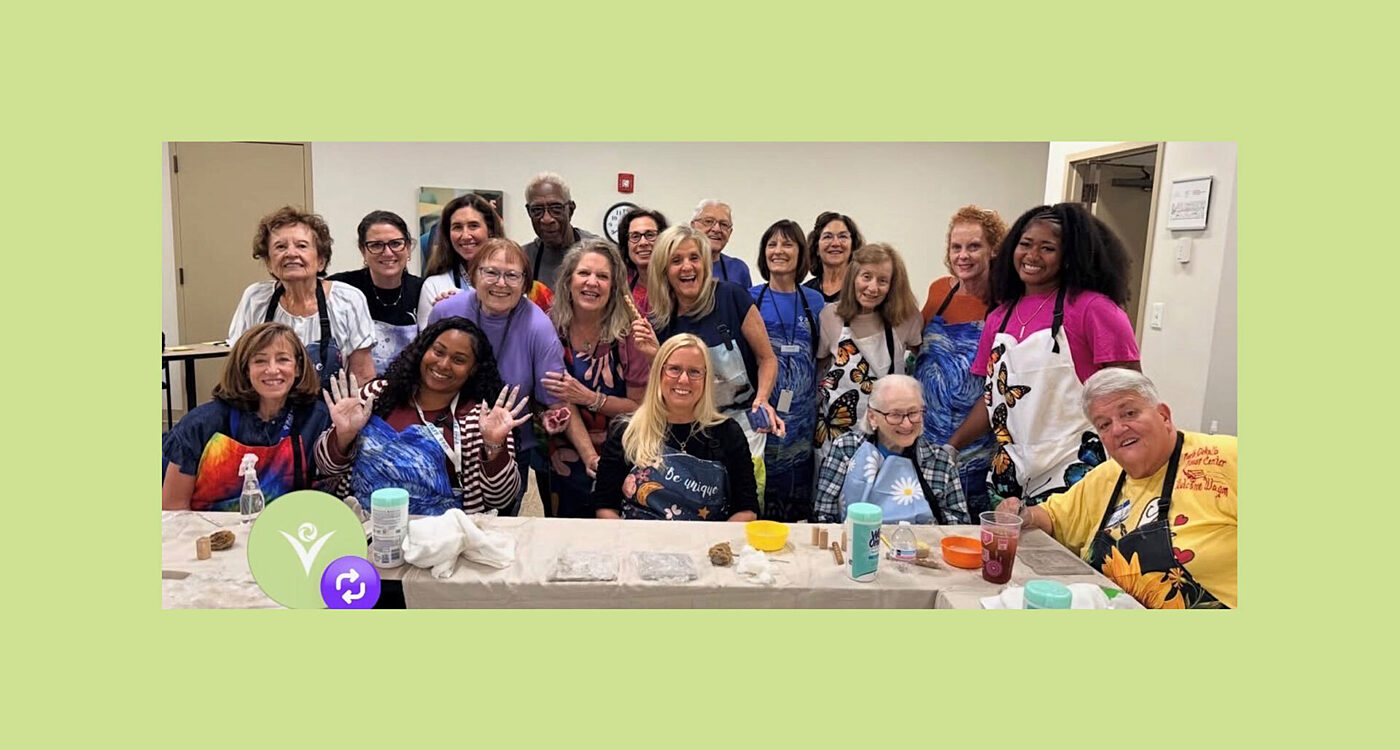
Caregiving is one of the few roles that almost no one plans for, yet most of us will take it on at some point in our lives. Whether we're caring for a child, a partner, or an aging parent, caregiving often means long days, constant responsibility, and very little uninterrupted rest. Ask almost any family caregiver what they need most, and the answer is often the same: a chance to step away, recharge, and breathe. Without respite, caregiving becomes difficult to sustain. For those caring for someone living with dementia, finding that break can be especially challenging.
Through a grant from the Alzheimer’s Association Center for Dementia Respite Innovation, JF&CS is working to change that through Memory Match: Dementia Respite Program, a volunteer-based initiative designed to provide meaningful connection for individuals living with dementia and relief for their family caregivers.
A Volunteer Perspective
“I was intimidated at first, because I didn’t think I’d be qualified to help someone with dementia,” said Ben, a 30-something corporate professional who volunteers with the program. “The training I received was so helpful, and now I feel more prepared should I ever need to support a family member in this way.”
Ben joined the program looking for a way to give back to his community, and many of our volunteers have similar motivations. Some have supported a parent or loved one with dementia, while others have family members living far away and want to stay connected and contribute.
A Personal Approach
“The only things we can’t teach someone are empathy and presence,” explains Cheryl Chappelear, Program Coordinator for Memory Support Services. “While we train our volunteers on engaging and communicating with people with dementia, the core of this program is human connection. It’s not caregiving, it’s companionship.”
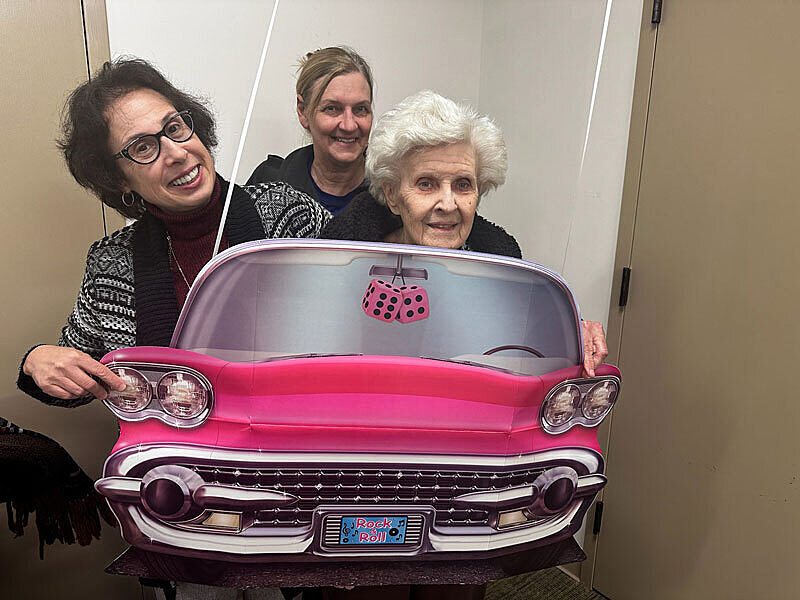
Memory Support Services hosted a Music Social recently - complete with the perfect props!
For Cheryl, the work is personal. As both a former and current caregiver, she’s seen firsthand how easily older adults can become socially isolated not only through illness like dementia, but through the gradual shrinking of everyday connections.
“People living with dementia are overlooked, caregivers are overwhelmed, and both sides become ostracized. I see people every day who are just at a loss, and I want them to feel worthy, have dignity, and smile. We’re here once, let’s have fun!”
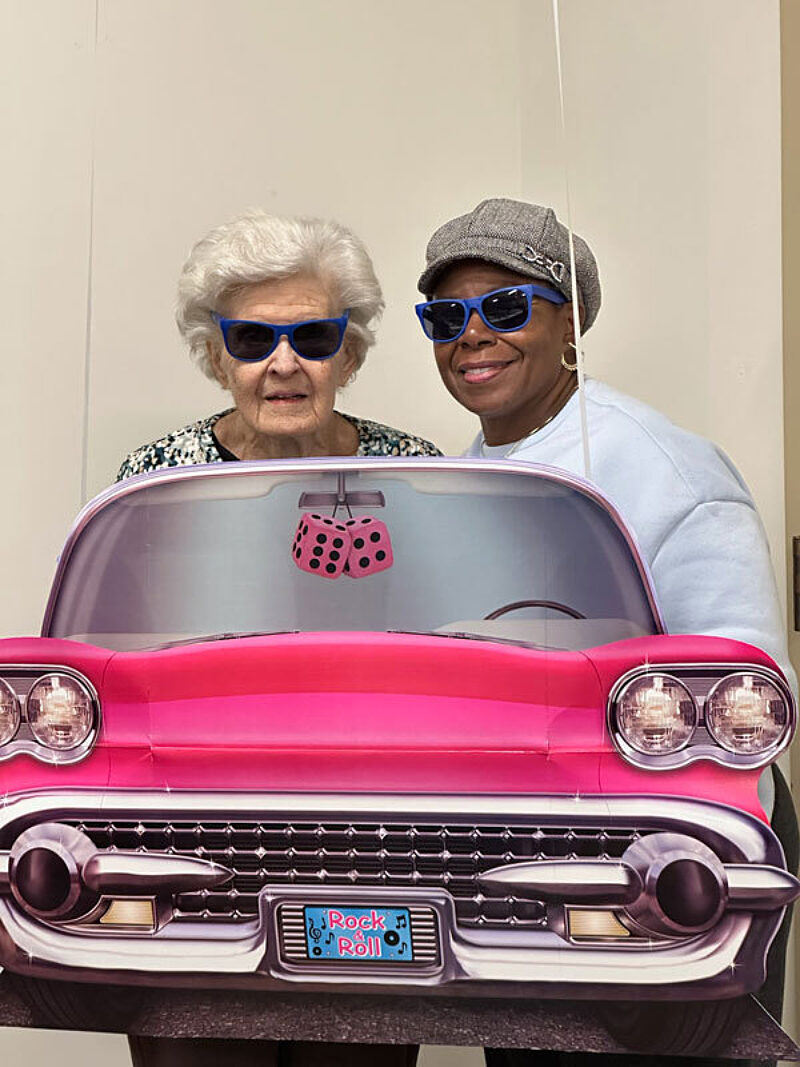
Fun is the name of the game. The matches enjoy everyday activities like playing cards and games, going for walks, cooking, watching sporting events, getting out on the Beltline or to lunch, exploring local parks, and more. The program isn’t about structured activity, but spending time together as a consistent, familiar presence. Participants also have access to broader Memory Support Services, including Music & Memory, social engagement opportunities, and additional supports designed to enrich daily life.
“I started volunteering because I wanted to do something good, but I honestly didn’t expect it to be fun for me,” reflected Ben recently. “I enjoy the social aspect and companionship as much as (my match) does, and I’ve become more present in other parts of my life because of it.”
That perspective is common, says Cheryl. “Many of our volunteers have said the same, that they receive just as much as they give.”
If you’re curious and would like to learn more about becoming a volunteer with the Memory Match program, reach out to memorysupportservices@jfcsatl.org
This project is supported by the Administration for Community Living (ACL), U.S. Department of Health and Human Services (HHS) as part of a financial assistance award totaling $13,261,685 with 75 percent funded by ACL/HHS and $3,285,728 with 25 percent funded by non-government source(s). The contents are those of the author(s) and do not necessarily represent the official views of, nor an endorsement, by ACL/HHS, or the U.S. Government.