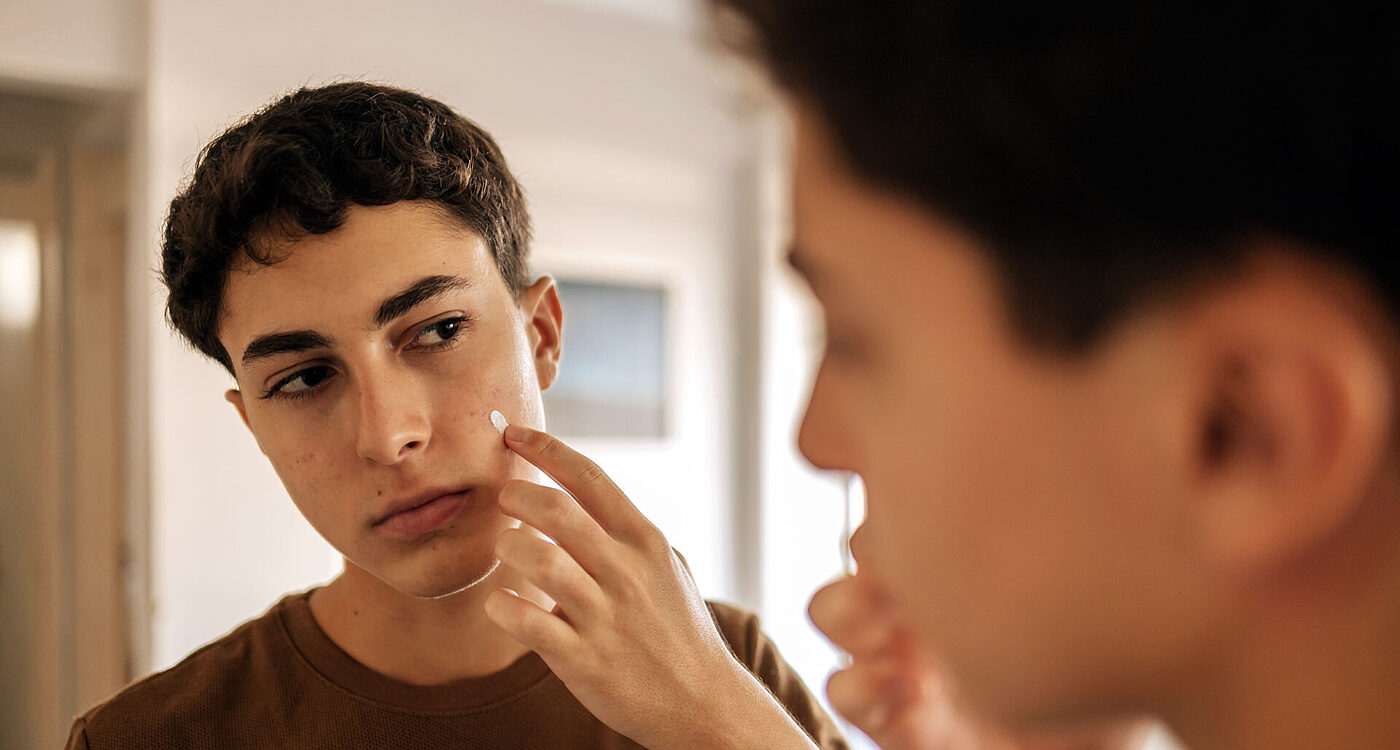
The teenage years are marked by rapid growth and change, so it’s no surprise that many teens experience challenges with body image. These challenges are common, but they are often kept quiet and, if left unaddressed, can gradually become more serious. Madeleine Lawson, AMFT, a clinician with the Horwitz-Zusman Child & Family Center, also works with BeWellATL and emphasizes the importance of recognizing these struggles and offering help early.
What’s Beneath the Surface
While it may seem like teens are simply focused on appearance, “body image is often not about the body, but about control,” says Madeleine. During an overwhelming stage of life, some teens develop rigid routines around food, exercise, or appearance “as a way to feel order in their lives.”
Social media can intensify these insecurities: teens are constantly exposed to curated and edited images, making comparisons feel unavoidable. “If you’re only following people who don’t look like you, or who show highly edited lives, it’s hard not to compare yourself,” she notes. Over time, that comparison can create pressure to “optimize” everything, including appearance.
Many teens quietly assume they’re alone in their insecurities, since body image issues are rarely discussed openly among peers. But body image concerns affect teens of all genders and body types. “It’s not just girls or certain body types — any teen can struggle, and boys in particular are less likely to talk about it,” Madeleine adds.
How Parents Can Support Healthy Body Image
Parents and caregivers play a powerful role in shaping how teens relate to their bodies. Madeleine encourages families to:
- Model a healthy relationship with their own bodies. “Teens notice more than we realize.”
- Encourage activities for enjoyment rather than performance. “Getting out of your head and into your body, doing things you love, is really important.”
- Normalize fluctuating feelings. “Some days you feel insecure, some days you feel great. That’s normal for everyone, even adults.”
- Check in regularly and pay attention to small changes in mood, behavior, or social engagement.
When to Reach Out
While many body image concerns are part of normal development, some signs can suggest a teen may need additional support:
- Anxiety about body image interferes with participation in activities they once enjoyed
- Developing rigid routines around food, exercise, or appearance
- Frequently making negative statements about themselves
- Withdrawing from friends, hobbies, or school
If you’re unsure whether something is wrong, Madeleine offers this reassurance: “Early intervention is key. I’d rather families reach out when something feels off, so we can address concerns before they escalate. Sometimes small changes can prevent a bigger problem down the road.”
Body image is often just one piece of a bigger picture. When parents stay curious, compassionate, and willing to seek guidance, they create space for teens to feel seen and supported.
JF&CS is here to partner with you in supporting your teen’s well-being. Contact us to make an appointment, and learn more about the BeWellATL initiative here.