A conversation with Rabbi Michael Bram, DMin, BCC, Lt Col, USAF (Ret.), Community Chaplain at JF&CS.
What is Passover, and when does it take place in 2026?
Passover, or Pesach, is a major Jewish holiday that celebrates the Israelites’ liberation from slavery in Egypt, as told in the book of Exodus. In 2026, Passover begins at sundown on Wednesday, April 1st, and ends at nightfall on Thursday, April 9th. It is widely observed, and many Jews, even those who do not regularly practice, participate in a Passover Seder or other traditional observances.
What is the main mitzvah of Passover?
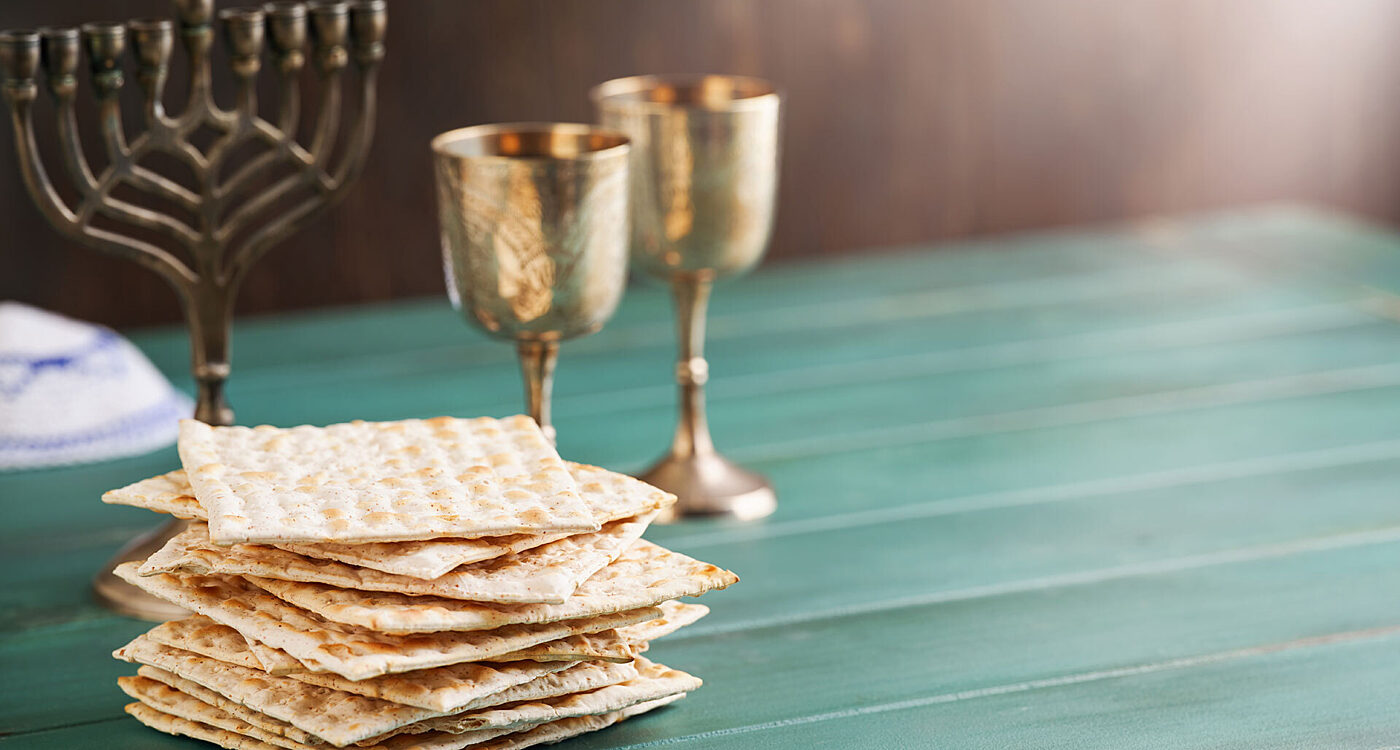
The most well-known mitzvah is eating matzah, the unleavened bread our ancestors ate as they left Egypt. Matzah is sometimes called the bread of affliction and sometimes the bread of freedom:
- Bread of affliction refers to the poverty and suffering our ancestors experienced during slavery in Egypt.
- Bread of freedom reminds us that they left Egypt in such a hurry that they did not have time to let their bread rise.
How is matzah different from chametz?
Matzah and chametz are made in exactly the same way: mix flour and water, knead it, and bake it. The difference is time. Dough that makes it into the oven in under 18 minutes is matzah, and dough that takes even one second longer becomes chametz. Chametz represents laziness, while matzah represents enthusiasm.
Our ancestors in Egypt did not have the opportunity to be lazy. Matzah is the bread of affliction because slaves do not have the luxury of laziness.
What spiritual lessons can we learn from matzah?
Freedom is wonderful, but it can be dangerous, because freedom without structure can lead to chaos. Matzah reminds us that when we add purpose and use our freedom to better ourselves and society, it can help create a beautiful life for ourselves and our neighbors.
Matzah as the bread of freedom teaches us not to be complacent in our freedom, but to be enthusiastic about it and to use it to serve God and our fellow human beings.
How can we apply these lessons during Passover?
As we prepare for Passover 2026, we can reflect on what it means to purge laziness from our lives and dedicate ourselves to being enthusiastic about the opportunities freedom represents. Just as matzah required effort and energy to make, we are encouraged to approach our own freedom with energy, intention, and purpose.
Chag Kasher V’sameach to all